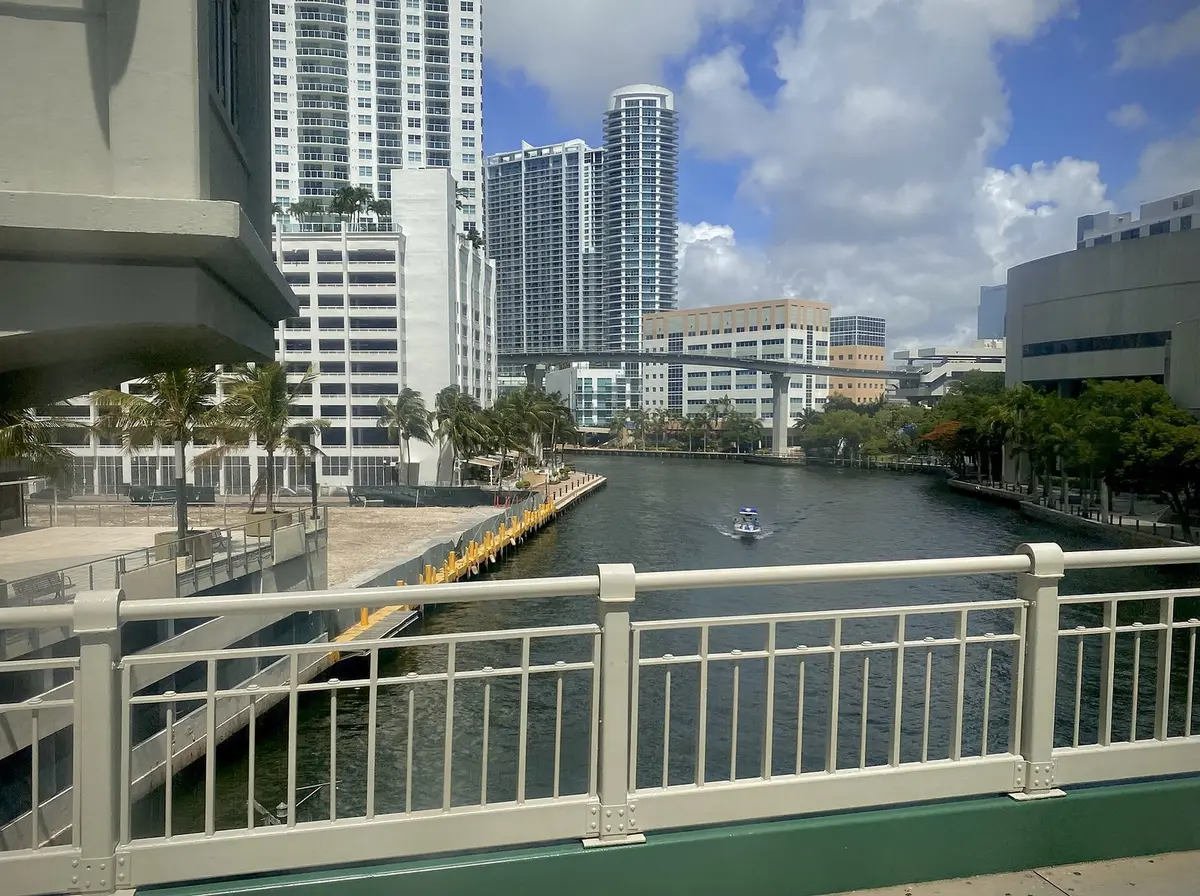

The Miami River is gaining attention as a waterfront corridor with limited supply, central access and a mix of boutique and urban development.
Why the river is different
Miami has many waterfront markets, but the Miami River has a distinct identity. It combines historic marine uses, restaurants, boutique development and proximity to Brickell, Downtown and the Health District.
Unlike large beachfront corridors, riverfront supply is limited and fragmented. That scarcity can make well-positioned projects interesting when pricing and execution are aligned.
A changing urban corridor
The river has shifted from an overlooked working corridor to a more visible lifestyle and development area. Restaurants, new residential projects and improved access have increased buyer curiosity.
The best projects use the water as a real amenity, not just a marketing line. Views, walkability, boat activity, noise, access and surrounding parcels all matter.
Investment questions
Investors should compare Miami River projects with Brickell, Downtown and Edgewater alternatives. The river may offer a different entry point, but liquidity and tenant demand should be studied carefully.
Key variables include developer track record, unit efficiency, parking, HOA, rental rules, construction timeline and how the immediate block will evolve.
Best-fit buyer
The Miami River can fit buyers who want central Miami access with a less conventional waterfront story. It may also appeal to investors looking for early positioning in a corridor that still has room to mature.
Because the area is block-sensitive, advisory matters. The right project can be compelling; the wrong micro-location can weaken the thesis.
How Patricia helps you decide
Every recommendation should start with your objective, your timing and your risk profile. Patricia Zacapa helps international buyers compare real projects, understand the numbers behind each purchase and move forward with a strategy that feels clear before any reservation agreement is signed.